

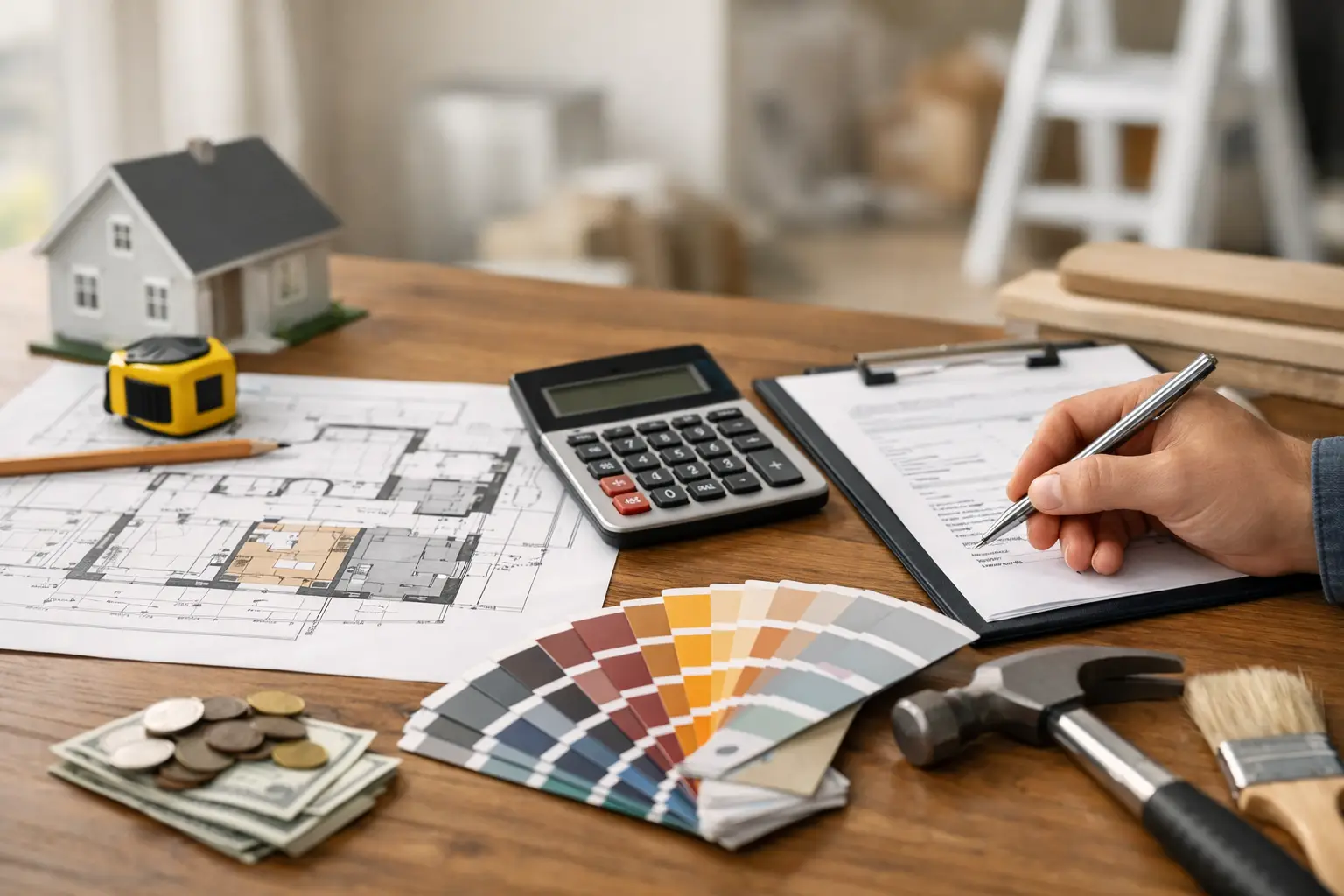
Sticker shock usually hits after the first big quote, not before. A bathroom that looked straightforward on paper suddenly includes plumbing updates, tile prep, permits, disposal, and finish details you do not want to cheap out on. If you are trying to figure out how to budget a home renovation, the goal is not to chase the lowest number. It is to build a realistic plan that protects your investment, your timeline, and your peace of mind.
A good renovation budget does more than cap spending. It helps you make better decisions early, before change orders and rushed material choices start driving up the final cost. Whether you are updating one room or tackling several projects over time, the most reliable budgets are built around scope, priorities, and the condition of the home itself.
How to budget a home renovation without guessing
The biggest budgeting mistake homeowners make is starting with inspiration photos instead of project scope. Photos help define style, but they do not tell you what is behind the walls, what needs to be brought up to code, or how much labor is required to do the job right.
Start with a written scope of work. Be specific. If you are renovating a bathroom, are you keeping the layout or moving plumbing? Are you replacing just the tile, or also the vanity, lighting, shower valve, fan, and flooring? If you are updating floors, are you including subfloor repair, trim replacement, furniture moving, and transitions into adjacent rooms?
That level of detail matters because renovation costs are rarely driven by one big item alone. They add up through dozens of smaller decisions. A tile pattern that requires more cuts, a shower niche that needs waterproofing, or a floor that needs leveling can all change the budget in a meaningful way.
Once the scope is clear, break the project into cost categories. For most home renovations, those categories include design and planning, demolition, materials, labor, permits, inspections, cleanup, and contingency. If you want a cleaner budgeting process, treat each one as necessary rather than optional. Homeowners often remember cabinets and fixtures, then forget permit fees or prep work until they show up later.
Start with your real number, not your wish number
There is a difference between what you hope to spend and what you can comfortably invest. Your budget should start with the number that fits your finances without putting pressure on other priorities. That means looking beyond the renovation itself.
Ask yourself how the project will be paid for and what margin you need to feel secure. If you are using savings, avoid draining every available dollar. If you are financing, account for monthly payment comfort, not just approval limits. A renovation should improve daily living, not create financial stress that lingers after the dust settles.
This is also where timing matters. If you are renovating before a move, before a baby arrives, or around a busy season at work, there is value in paying for proper project management and dependable scheduling. The cheapest path is not always the least expensive once delays, mistakes, and rework enter the picture.
Know where your money should go first
If the budget is tight, prioritize the parts of the renovation that affect function, safety, and long-term durability. That means plumbing integrity, electrical work, waterproofing, ventilation, structure, and surface preparation come before decorative upgrades.
This is especially true in bathrooms and kitchens, where moisture and daily wear expose shortcuts fast. A beautiful tile installation means very little if the substrate is not properly prepared. New flooring will not perform well over a subfloor that has movement or damage. Budgeting for the work underneath the finish is one of the smartest decisions you can make.
After essentials, spend on the items that get used every day and are difficult to replace later. In a bathroom, that might be the shower system, tile work, vanity, and lighting. In a whole-home flooring project, it might be the product quality, underlayment, and installation precision. Decorative accessories can often wait. Redoing foundational work is far more expensive.
Build in a contingency from the start
Any article on how to budget a home renovation that skips contingency is setting homeowners up for frustration. Renovation work involves existing conditions, and existing conditions are not always visible at the estimate stage.
Once walls, floors, or fixtures are opened up, contractors may find water damage, outdated wiring, plumbing issues, framing repairs, or code-related upgrades. None of that is unusual. It is part of working on real homes.
A practical contingency is often 10 to 20 percent, depending on the age of the home, the complexity of the work, and how much is being disturbed. If you are renovating an older home or moving plumbing and electrical, lean toward the higher end. If the scope is cosmetic and the structure is already in good shape, the lower end may be enough.
The key is to treat contingency as part of the budget, not extra money you hope to avoid using. If it is not needed, great. But if it is needed, you are prepared.
Materials can swing the budget faster than labor
Homeowners often assume labor is the main variable. In reality, material choices can move the budget quickly, especially once you multiply them across a full room.
Tile is a good example. The price difference between basic ceramic and premium porcelain or natural stone is only the start. Tile size, pattern, edge profile, layout complexity, and grout selection all influence labor time and waste. The same goes for flooring, vanities, plumbing fixtures, glass, and lighting.
This does not mean you need to choose the most expensive option to get a quality result. It means you should choose intentionally. If craftsmanship matters, pair durable, proven materials with installation methods that support a clean, lasting finish. A well-selected midrange material often delivers better value than a premium product installed with shortcuts.
One smart approach is to splurge in one or two places that have the most visual or daily-use impact, then keep the rest consistent and practical. A custom tile shower might deserve more room in the budget than designer mirrors or specialty hardware.
Get detailed estimates, not vague allowances
A strong budget depends on good information. When reviewing quotes, look for detail. You want to understand what is included, what is excluded, what assumptions were made, and where allowances apply.
Allowances are not inherently bad, but they can create budget drift if they are unrealistic. If a quote includes a low allowance for tile, fixtures, or flooring, and your taste runs higher than that range, the final price will rise as soon as selections are made. That is why clear communication early matters.
Ask direct questions. Are permits included? Is demolition and haul-off included? What happens if subfloor repair is needed? Who handles inspections? Is finish material installation priced based on standard layout, or something more custom?
Reliable contractors welcome these conversations because they lead to better planning and fewer surprises. In Idaho markets like Meridian, Boise, and Nampa, homeowners often benefit from working with a contractor who can manage both the construction and the budgeting side of the project. That guidance helps align scope, selections, code requirements, and timing before the job begins.
Budget for the hidden costs around the project
Some renovation costs do not show up in the contract line items, but they still affect your bottom line. If a bathroom is out of service for a period of time, does that disrupt your household enough to create added expense or inconvenience? If flooring is being replaced throughout the main level, will you need temporary storage or help moving furniture? If materials are delayed, does that push other plans back?
There is also the cost of changing your mind mid-project. Last-minute upgrades feel small one by one, but they stack up quickly. A better faucet, a larger format tile, upgraded trim, a different vanity top, custom glass – each change may be reasonable on its own. Together, they can stretch the budget well past your comfort zone.
That is why the planning stage deserves real attention. The more decisions you make before work starts, the more control you keep over cost and schedule.
When to phase a renovation instead of forcing it
Not every project needs to happen at once. If your budget does not support the full vision right now, phasing can be the smarter move. The important part is phasing with a plan.
For example, if you are remodeling a bathroom, it may make sense to complete plumbing updates, tile work, shower improvements, and flooring now, then wait on custom storage or decorative upgrades. If you are updating multiple rooms, prioritizing the spaces that improve function first can deliver the biggest return in daily life.
The wrong way to phase a project is to do work now that will need to be undone later. If you know a full renovation is coming, plan the sequence carefully so each step supports the next. This is where experienced oversight can save money, because proper sequencing avoids duplicate labor and wasted materials.
A renovation budget should protect quality
The best budgets are not built to squeeze a project down to the cheapest possible version. They are built to support a finished result you can trust. Precision work, dependable scheduling, permit handling, and careful installation all have value because they reduce risk and improve the final outcome.
If you are deciding how to budget a home renovation, think like an owner making a long-term investment. Budget for workmanship. Budget for preparation. Budget for the details that make the finished space feel complete. A home renovation done right should not just look better on reveal day. It should perform well, hold up over time, and make daily life easier long after the project is finished.