

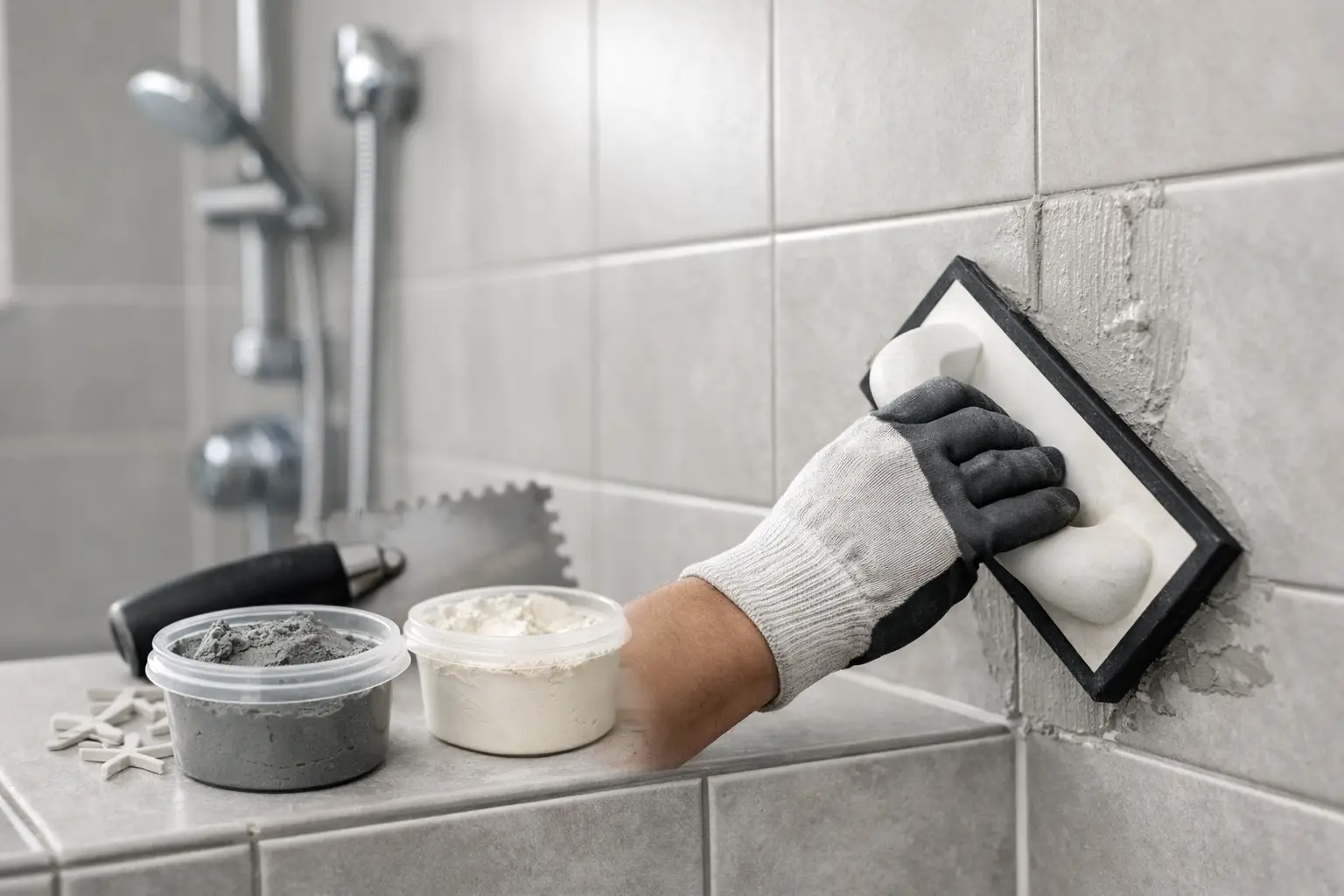
A shower can have beautiful tile and still look tired within a year if the grout was the wrong choice. When homeowners ask about the best grout for shower walls, they are usually asking a bigger question: what will stay clean, hold up to daily moisture, and still look sharp after real use.
That answer depends on the tile, the joint width, the budget, and how much maintenance you are willing to live with. There is no single grout that wins every shower. But there is a right fit for your shower, and getting that choice right makes a major difference in both appearance and longevity.
What makes the best grout for shower walls?
Shower walls live in constant humidity. They deal with soap, shampoo, hard water, body oils, and cleaning products. Grout in that environment needs to do more than fill gaps. It needs to resist staining, limit moisture absorption, and stay stable without cracking or washing out.
The best grout for shower walls is usually one that balances three things well: water performance, appearance, and maintenance. Some grout types are easier to install but need sealing and more upkeep. Others cost more upfront but offer stronger stain resistance and a more consistent finished look.
If you are remodeling a primary bathroom, guest bath, or a higher-end shower where finish quality matters, grout should be treated as part of the system, not an afterthought. A precise tile installation can still be undermined by grout that is poorly matched to the conditions.
The main grout types for shower walls
Most shower wall projects come down to three categories: cementitious grout, high-performance single-component grout, and epoxy grout. Each has a place. The right one depends on how the shower will be used and how exacting you want the final result to be.
Cementitious grout
Traditional cement-based grout is common because it is familiar and generally more affordable. It can work on shower walls, but it is the most porous option of the three. That means it is more likely to absorb moisture and stain if it is not sealed and maintained properly.
Within this category, you will hear about sanded and unsanded grout. Unsanded grout is usually used for narrow joints and delicate tile surfaces that could scratch. Sanded grout is stronger in wider joints, but it is less common on many shower wall installations where tighter spacing is preferred.
Cementitious grout can still be a reasonable choice for some projects, especially when cost is a major factor. The trade-off is maintenance. It typically needs sealing, and over time it is more vulnerable to discoloration and mildew issues than newer grout technologies.
High-performance single-component grout
This is often the sweet spot for many shower walls. Single-component grouts are premixed and designed to provide better stain resistance and color consistency than basic cement grout. They are easier to work with than epoxy in many cases, which helps reduce installation issues.
For many homeowners, this category offers the best balance of performance and practicality. It tends to hold color well, resists moisture better than standard cement grout, and reduces some of the maintenance burden. That matters in busy family bathrooms where the shower sees daily use.
Not every installer treats these products the same way, though. They still require proper prep, correct open time, and thorough cleanup. Even a premium grout can leave a disappointing finish if the installation is rushed.
Epoxy grout
Epoxy grout is one of the toughest options available for shower walls. It is highly resistant to water, stains, and chemicals, which makes it attractive in wet environments. If your top priorities are durability and low absorption, epoxy is hard to ignore.
It also comes with trade-offs. Epoxy is more expensive, more demanding to install, and less forgiving than other grout types. On some tile surfaces, cleanup can be tricky if the work is not handled carefully. That is why experience matters. A shower finished with epoxy can perform extremely well, but only if the installation is precise from start to finish.
For high-use bathrooms or clients who want a premium, longer-lasting solution, epoxy is often worth considering.
So which grout is actually best?
For most shower wall installations, a high-performance single-component grout or epoxy grout is the strongest choice. Standard cement grout can work, but it usually lands behind the others in moisture resistance and long-term stain control.
If you want the most practical all-around answer, single-component grout is often the best grout for shower walls in a residential setting. It gives homeowners strong performance without some of the installation complexity and cost of epoxy.
If the shower gets heavy daily use, or if you want maximum resistance to staining and moisture, epoxy may be the better investment. In a custom bathroom remodel, especially where the tile and finish package are premium, epoxy often matches the level of the rest of the work.
The tile matters too
Grout should never be picked in isolation. Tile material, tile size, surface texture, and joint width all affect what will perform best.
Glass tile, polished stone, and soft decorative finishes may limit your options because some products can scratch the surface or create cleanup problems. Large-format tile with tight joints often points toward unsanded or specialty grout products. Natural stone can introduce a separate set of concerns because moisture movement and sealing requirements differ from porcelain or ceramic.
This is where experience saves people money. Choosing grout based only on color or shelf label language can lead to avoidable issues. Product compatibility matters just as much as product quality.
Color is not just a design choice
Most homeowners focus on grout color for the visual effect, which makes sense. Grout changes the entire look of a shower. A close match creates a cleaner, more continuous appearance. A contrast color highlights the tile pattern and layout.
But color also affects maintenance perception. Bright white grout can look crisp on day one and show every bit of soap residue and hard water over time. Mid-tone grays often hide normal use better. Very dark grout can make mineral buildup more visible depending on your water quality.
The cleanest-looking shower is not always the one with the lightest grout. It is the one where color, tile, and real-world maintenance were considered together.
Installation quality matters as much as grout type
Even the best product cannot make up for poor workmanship. Grout joints need to be packed fully, cleaned at the right time, and allowed to cure properly. The substrate behind the tile also matters. If the shower assembly was not built correctly, grout alone will not solve water problems.
That is one reason professional shower work should be viewed as a system. Waterproofing, tile layout, movement joints, grout selection, and finish cleanup all affect the result. When one piece is skipped or rushed, the shower usually tells on itself later.
A well-built shower wall should look precise on day one and continue performing after years of steam, cleaning, and normal wear. That level of finish comes from process, not just materials.
When sealing is needed and when it is not
Many homeowners assume all grout needs sealing. That is not always true. Traditional cement grout often does benefit from sealing, because it is more porous. Many single-component and epoxy grouts either do not require sealing or offer enough built-in resistance that separate sealing is not part of the normal maintenance plan.
That said, product-specific instructions matter. So does realistic upkeep. Even low-maintenance grout still needs routine cleaning and proper ventilation in the bathroom. No grout is fully maintenance-proof in a shower that stays damp and poorly ventilated.
A smart choice for Idaho homeowners
In homes across Meridian, Boise, and Nampa, shower upgrades are often part of a bigger goal: a bathroom that feels cleaner, looks more refined, and adds lasting value. Grout choice plays a bigger role in that than many people expect.
For most homeowners, the best path is to prioritize water resistance and long-term appearance over the cheapest upfront option. If the budget allows, a high-performance single-component grout is often the strongest all-around fit. If the project calls for maximum durability and a premium finish, epoxy deserves serious consideration.
At My Contractor LLC, that is the kind of decision we guide homeowners through during bathroom remodel planning – not just what looks good in a sample board, but what will still perform well after years of daily use.
The right grout should make your shower easier to live with, not harder to maintain. If you are choosing materials for a new shower wall, think past the install day and choose the finish that will still look done right long after the project is complete.