

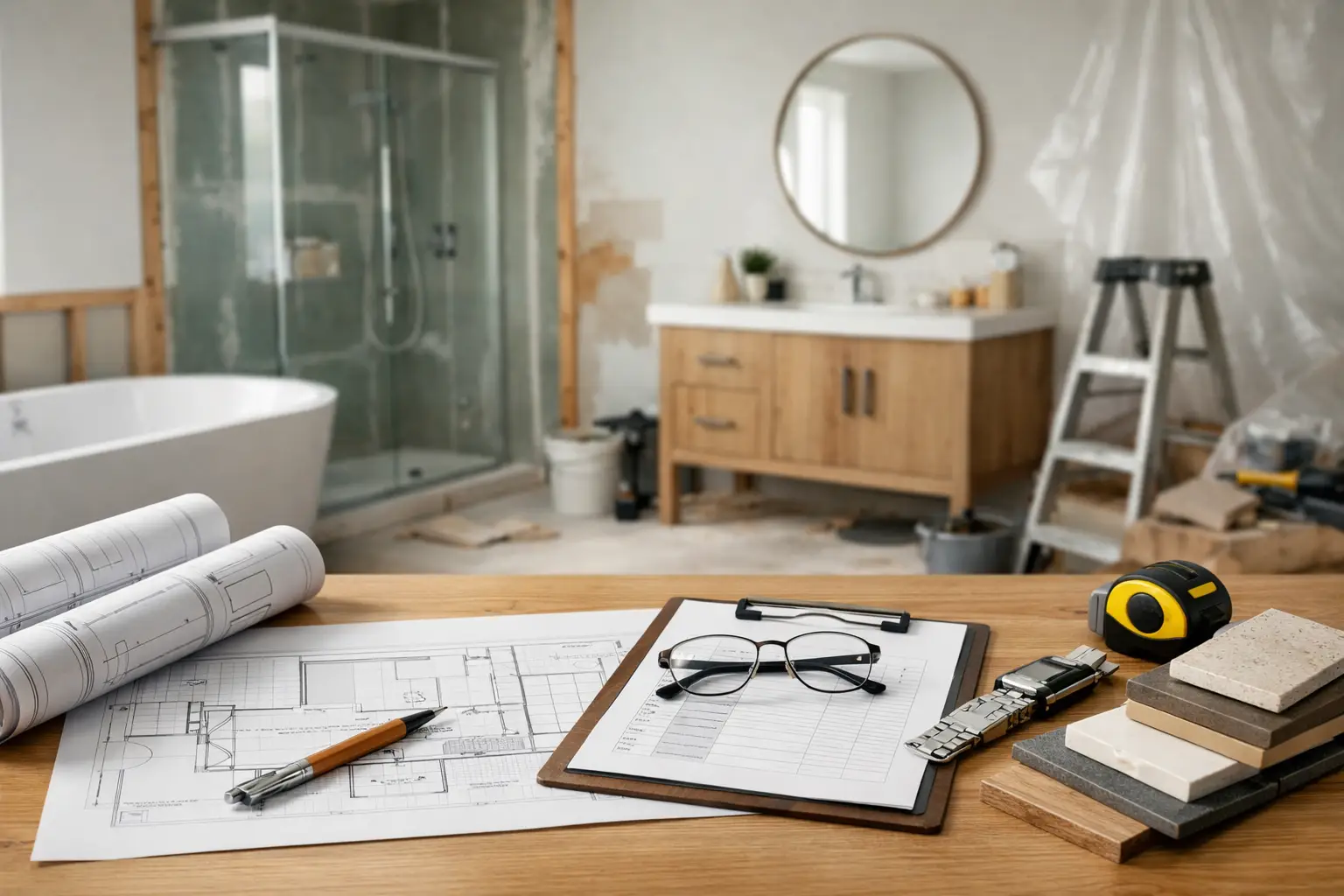
A bathroom remodel usually feels simple until the calendar gets involved. Homeowners often picture tile, fixtures, and paint colors first, then realize the real challenge is timing – when materials arrive, when plumbing gets moved, when inspections happen, and how long that one bathroom will be out of service.
If you want the project to feel controlled instead of chaotic, the schedule has to be built before demolition starts. That does not mean guessing a finish date and hoping every trade can make it work. It means understanding the order of work, where delays usually happen, and which decisions need to be made early to keep the job moving.
How to plan a bathroom renovation timeline before work begins
The first step in learning how to plan a bathroom renovation timeline is deciding what kind of remodel you are actually doing. A cosmetic update has a very different schedule than a full renovation. If you are replacing a vanity, toilet, mirror, and fixtures in the same locations, the timeline is usually shorter and more predictable. If you are moving plumbing, rebuilding a shower, changing electrical layout, or correcting water damage, the timeline expands quickly.
This is also where budget and timeline connect. Homeowners sometimes think faster means cheaper, but rushing a bathroom remodel usually creates costly mistakes. A well-built schedule protects workmanship. It gives enough room for demolition, rough-in work, inspections, waterproofing, tile setting, drying times, and final installation without stacking trades on top of each other.
Before the project is scheduled, define the scope in plain terms. Are you keeping the layout? Are you replacing the tub with a walk-in shower? Are you upgrading finishes only, or opening walls to improve plumbing and ventilation? The clearer those answers are, the more accurate the timeline will be.
Start with design decisions, not demolition
One of the biggest causes of delay is starting construction while major selections are still undecided. If tile has not been chosen, shower dimensions are still changing, or the vanity size is not confirmed, the schedule will slip before the first week is over.
Choose your core materials early. That usually means vanity, plumbing fixtures, tile, flooring, lighting, mirror, shower glass, and paint color. It is smart to confirm lead times at the same time. A beautiful faucet that takes ten weeks to arrive can reshape the whole project. The same goes for custom cabinets, special-order tile, and shower glass.
For many homeowners, this is where working with a contractor who provides planning support matters. Good scheduling is not just putting dates on a calendar. It is sequencing the work around real product availability, field conditions, and inspection requirements.
The bathroom remodel phases that shape your timeline
Most bathroom remodels follow a similar order, even if the exact duration changes from one home to another. Once design and material selections are complete, the project usually moves through demolition, framing or repair work, plumbing and electrical rough-ins, inspections when required, wall preparation, waterproofing, tile installation, fixture installation, paint, trim, and punch-list corrections.
A smaller guest bathroom may move through this process in a couple of weeks if the layout stays the same and materials are on hand. A primary bathroom with custom tile, a new shower layout, and permit requirements may take several weeks longer. The point is not to memorize an exact number. The point is to respect the order.
Demolition is fast compared to everything that follows. Many homeowners are surprised by that. Tearing out old materials may take a day or two, but rebuilding properly takes time. If hidden water damage, subfloor issues, or outdated plumbing appears after demolition, the timeline should adjust. That is not a sign of poor planning. It is part of doing the work correctly instead of covering over problems.
Rough-in work is where realism matters
The rough-in phase includes plumbing, electrical, framing changes, and sometimes ventilation upgrades. This work is not flashy, but it drives the success of the finished bathroom. If you are relocating a shower valve, adding lighting, installing a new exhaust fan, or widening a shower entry, this stage takes careful coordination.
If permits are required, inspections can affect timing. That is especially true when plumbing or electrical systems are being altered. In those cases, your timeline should include some flexibility for approval windows. A contractor who handles permits and inspections helps reduce homeowner stress here because the schedule can be built around compliance from the start.
How long each stage usually takes
There is no universal bathroom renovation calendar, but there are patterns. Planning and selections often take longer than homeowners expect, sometimes one to three weeks or more depending on how quickly decisions are made. Ordering materials may overlap with that period, but lead times can extend well beyond it.
Construction itself often breaks down like this: demolition may take one to two days, rough framing and rough-ins several days, inspections as needed, and then wall prep and waterproofing before tile begins. Tile work can take several days on its own, especially in a shower where layout, cuts, slope, and drying time all matter. After that comes fixture installation, paint, finish work, and final adjustments.
What slows a project down is not always the labor. Sometimes it is drying time, special-order materials, inspection scheduling, or revisions after work has started. If you want a realistic plan, build your timeline around the slowest critical pieces rather than the fastest ones.
Build in a buffer for the parts you cannot see yet
Bathrooms hide a lot behind finished surfaces. Once walls and floors are opened, contractors may find rot around a tub, an uneven subfloor, old plumbing connections, or ventilation that was never adequate. In older homes across the Meridian, Boise, and Nampa area, that is not unusual.
A practical timeline includes buffer time for discovery. That does not mean adding weeks of vague padding. It means allowing enough flexibility so one hidden issue does not throw the entire project into confusion. If everything goes smoothly, great. If something needs correction, you are still operating from a controlled plan.
How to plan a bathroom renovation timeline around daily life
A remodel schedule should fit the home, not just the jobsite. If this is your only full bathroom, the timeline needs to account for how your household will function while the room is offline. Families with children, work-from-home schedules, or multigenerational living arrangements should think through access before construction starts.
Sometimes the best decision is to phase the work or schedule around a vacation if possible. In other cases, the better move is choosing materials and scope that shorten downtime. There is always a trade-off. A fully custom shower may add time, but it may also deliver the long-term result you actually want. The right answer depends on whether speed or finish level matters more to your household.
This is also where communication matters. Homeowners should know what is happening this week, what is happening next week, and which decisions must be finalized now. A clear schedule builds trust because you are not left wondering why the room looks unchanged for two days while waterproofing cures or inspections are pending.
Common mistakes that throw off a bathroom renovation timeline
The most common scheduling mistake is changing scope after work begins. Swapping a mirror is easy. Changing tile size, moving plumbing locations, or choosing a different vanity after rough-ins are complete is not. Mid-project changes usually affect more than one trade, which means the timeline shifts with them.
Another mistake is ordering materials too late. Homeowners often assume basic products are always available, then learn their selected tile is backordered or the vanity top needs extra fabrication time. If the materials are central to the installation, the crew cannot simply work around them.
The last major mistake is treating craftsmanship steps like they are optional waiting periods. Tile setting, grout curing, waterproofing, leveling, and finish corrections all take time for a reason. A bathroom that looks good on day one but develops problems six months later is never the fast win it seemed to be.
Work with a schedule that protects the finish
The best bathroom timelines are not the shortest ones. They are the ones built around the actual work required, the materials selected, and the level of finish you expect. Precision takes planning. So does punctuality.
At My Contractor LLC, that approach matters because a bathroom remodel is not just about replacing surfaces. It is about managing sequencing, details, permits when needed, and the kind of craftsmanship that holds up after the dust is gone. If you plan the timeline carefully from the beginning, the project feels less like a disruption and more like a well-run investment in your home.
A strong timeline gives you something better than a finish date. It gives you confidence that each step is happening in the right order, for the right reason, with fewer surprises along the way.