

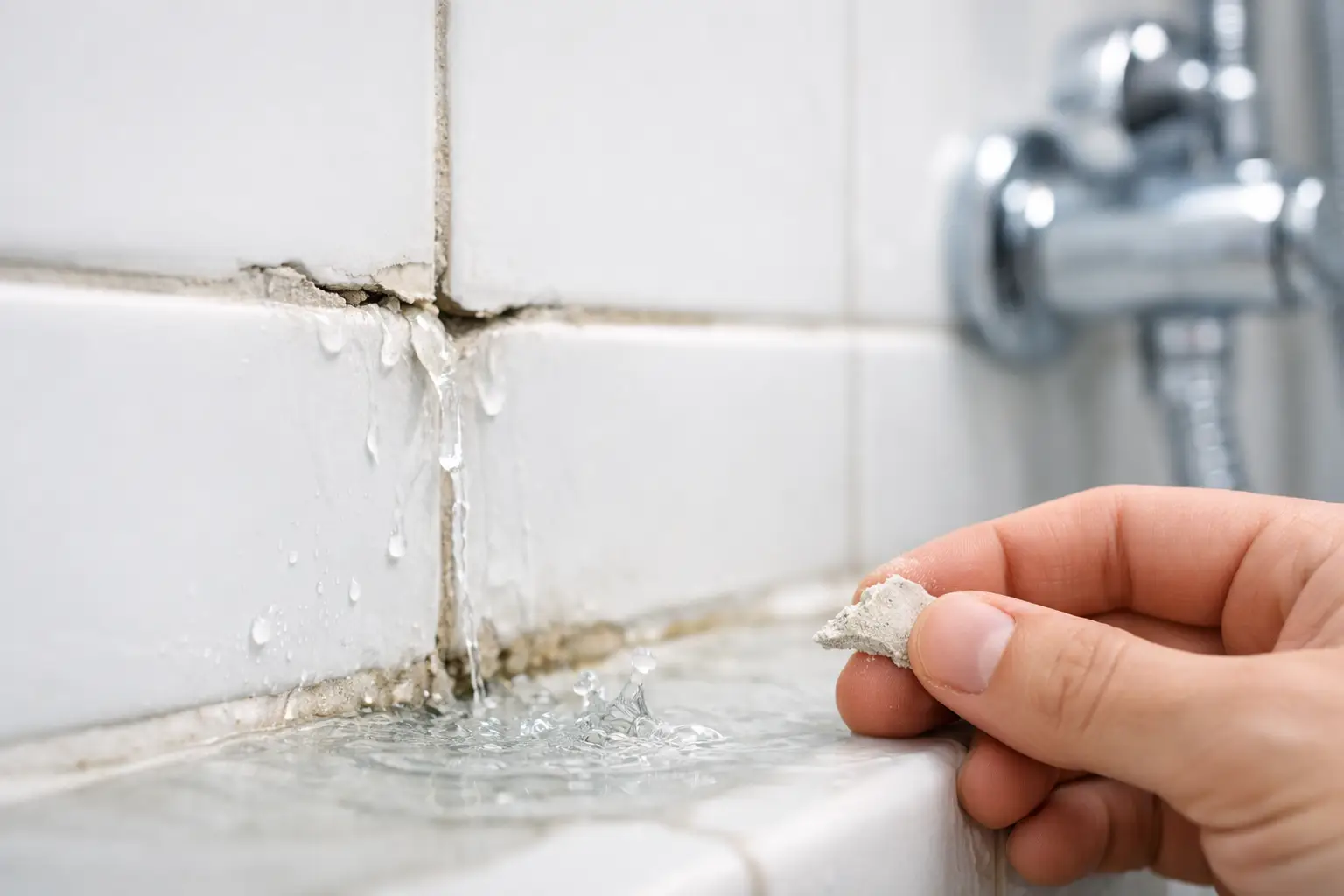
A shower starts showing hairline cracks in the grout, and the first question most homeowners ask is the right one: can cracked grout cause leaks? The short answer is yes, it can – but not always in the way people assume. In many bathrooms, cracked grout is less the root problem and more the warning sign that water is getting where it should not.
That distinction matters. If you treat every grout crack like a simple cosmetic fix, you can miss a deeper waterproofing issue. If you assume every crack means major structural damage, you can spend money where it is not needed. The right answer depends on where the crack is, what is behind the tile, and how the shower or floor was built in the first place.
Can cracked grout cause leaks in a shower or bathroom?
Yes, cracked grout can allow water to pass through vulnerable areas, especially in wet spaces like showers, tub surrounds, and bathroom floors. But grout itself is not the main waterproof barrier. Tile and grout are part of the finished surface. The true protection should come from the substrate, waterproof membrane, pan liner, and proper installation details underneath.
That is why two showers with the same visible crack can have very different outcomes. In a properly built shower with reliable waterproofing behind the tile, a grout crack may let some moisture in but not necessarily create a leak into framing, ceilings, or adjacent rooms. In a poorly built or aging shower, that same crack may be the first visible sign that water is already reaching drywall, subflooring, or wall cavities.
Put simply, grout is water-resistant, not a substitute for a waterproof system. When it cracks, moisture intrusion becomes easier. Whether that turns into an actual leak depends on what is happening below the surface.
Why grout cracks in the first place
Grout usually cracks for a reason. Sometimes it is age and normal wear. More often, movement is involved.
Bathrooms see constant expansion and contraction from heat, moisture, and daily use. If the shower walls, floor, or corners shift even slightly, rigid grout can crack. Improper installation also plays a role. That can include the wrong grout type, poor mixing, weak substrate prep, missing movement joints, or tile installed over surfaces that flex too much.
In corners and change-of-plane areas, grout often fails because those joints should typically be sealed with a flexible caulk rather than hard grout. If grout was used there, cracking is common.
This is where experience matters. A crack in one spot may be harmless surface wear. A repeating crack, soft tile, or loose floor usually points to a bigger installation problem that needs more than touch-up work.
When cracked grout is mostly cosmetic
Not every crack means your bathroom is leaking into the walls. Fine, isolated cracks in older grout lines can sometimes be cosmetic, especially outside direct spray zones or on low-moisture floor areas. If the tile is solid, surrounding grout is intact, and there are no signs of water damage nearby, the issue may be limited to the grout itself.
Even then, cosmetic does not mean ignore it forever. Bathrooms are wet environments, and small openings can become bigger ones. Minor cracking should still be inspected and repaired before moisture has time to work deeper into the assembly.
A lot of homeowners make the mistake of waiting until staining appears on the ceiling below or baseboards start swelling. By then, the repair is rarely just grout.
Signs cracked grout may be causing a real leak
The strongest clues usually show up outside the grout line itself. If cracked grout is part of an active leak, you may notice a musty smell, loose tiles, soft drywall, peeling paint on the other side of the wall, warped trim, or staining below a second-floor bathroom.
Inside the shower, look for recurring cracks in the same area, dark spots that stay wet long after use, or a floor that feels spongy underfoot. Those are not small-detail issues. They suggest movement, trapped moisture, or failure in the underlying system.
One important nuance: water does not always leak straight down from the visible crack. It can travel along framing, under tile, or across a subfloor before it shows up somewhere else. That is why the source of a bathroom leak is not always obvious from surface symptoms alone.
Can regrouting fix the problem?
Sometimes, yes. Sometimes, no.
If the shower or bathroom was built correctly and the damage is limited to aged, missing, or locally cracked grout, regrouting or spot repair may be enough. That is especially true when the substrate is stable and there are no signs of moisture damage behind the tile.
But if the crack keeps returning, tiles are shifting, or water has already reached materials behind the surface, regrouting is only a temporary patch. Fresh grout over a failing assembly does not stop movement. It does not replace missing waterproofing. It does not undo rot, mold, or damaged backer materials.
This is where homeowners can lose time and money. A quick repair looks appealing, but if the shower pan, wall waterproofing, or framing has been compromised, the real solution may involve partial demolition or a full rebuild of the wet area.
The difference between grout, caulk, and waterproofing
A lot of leak confusion comes from mixing these three together.
Grout fills the joints between tiles. It helps lock the tile field together and contributes to the finished appearance. Caulk is used at transitions and movement joints, like inside corners and where walls meet the floor. Waterproofing sits behind the tile assembly and is what should actually protect the structure from water intrusion.
If any one of these is missing or used incorrectly, trouble can follow. For example, if a shower corner is grouted instead of caulked, cracking is likely. If the tile was installed over drywall in a wet area without proper waterproofing, even intact grout may not protect the structure for long.
That is why a quality tile installation is not just about straight lines and clean spacing. It is about what you do before the first tile ever goes on the wall.
What homeowners should do next
If you see cracked grout in a bathroom, start by looking at the full picture. Notice where the cracks are, whether they are growing, and whether any nearby materials show moisture damage. If the crack is in a shower floor, wall corner, niche, or curb, it deserves prompt attention because those areas take constant water exposure.
Avoid the temptation to keep sealing over a recurring issue without understanding why it is happening. Sealer is not a repair for movement or failed waterproofing. Neither is a tube of color-matched grout from the hardware store if the tile beneath is loose.
A proper evaluation should consider the tile surface, substrate stability, moisture exposure, and the likelihood that the original installation included a complete waterproof system. For homeowners planning a bathroom remodel anyway, visible grout failure can be a strong signal that now is the right time to address the entire assembly and do it right.
For families in Meridian, Boise, Nampa, and nearby communities, this comes up often in older showers that still look decent at a glance but were built with outdated methods. At My Contractor LLC, we see the difference between a surface repair and a system failure every week, and that distinction is what protects homeowners from repeat problems.
When replacement makes more sense than repair
If there is widespread cracking, soft backing materials, mold odor, loose tile, or evidence of water outside the shower, replacement is often the smarter investment. That is especially true if the bathroom has already had multiple patch repairs.
A well-built shower is supposed to handle daily water exposure without depending on perfect grout alone. When the assembly no longer does that, rebuilding the affected area gives you a chance to correct slope, waterproofing, drain details, tile prep, and finish work all at once.
That kind of work is not about overbuilding. It is about building with precision so the finished bathroom looks right and performs the way it should for years.
Cracked grout is easy to dismiss because it looks small. In bathrooms, small surface clues often point to bigger conditions underneath. Catching the issue early gives you options, and getting the cause right is what keeps a minor repair from turning into a full water-damage project later.