

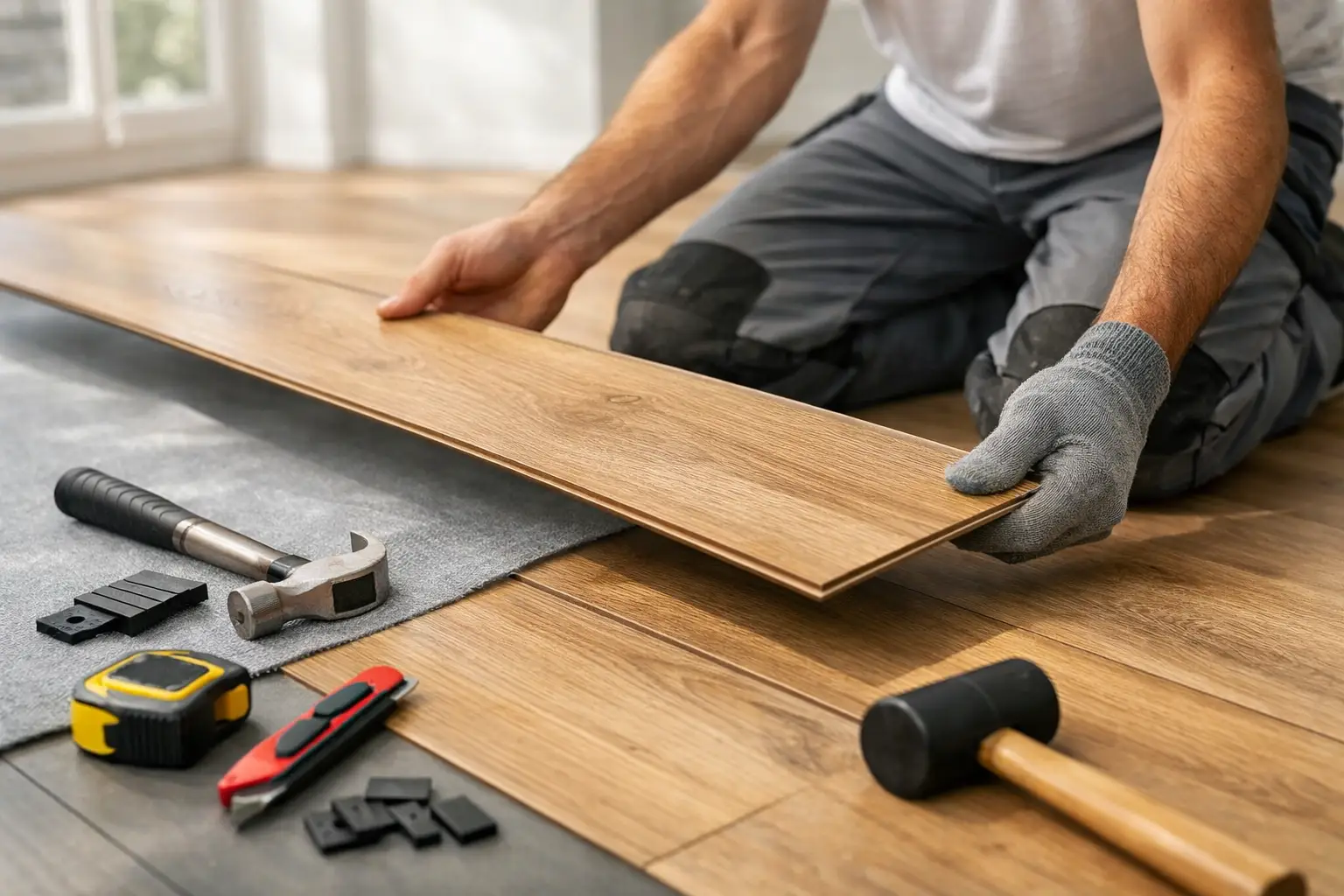
A floor can look great in a showroom and still fail in a real home. That usually comes down to one thing – flooring installation. The material matters, but the prep, layout, moisture control, transitions, and finish work are what determine whether your new floor stays quiet, level, durable, and good-looking for years.
For homeowners in Meridian, Boise, Nampa, and nearby communities, flooring is rarely just a cosmetic update. It changes how a room feels underfoot, how easy it is to clean, how well it holds up to kids and pets, and how much confidence you have in the long-term value of the work. When the installation is done with precision, the result feels solid every day. When corners get cut, problems show up fast.
Why flooring installation matters more than most people expect
Most flooring problems are not product problems. They are installation problems. Gaps, cupping, soft spots, uneven edges, cracked tile, hollow sounds, premature wear, and awkward transitions often trace back to rushed prep or poor planning.
That is why a craftsmanship-first approach matters. A proper installation starts before a single plank or tile is set. The subfloor has to be evaluated for flatness, damage, moisture, and movement. Door clearances have to be checked. Trim and transitions need a plan. In some homes, especially older ones, the floor beneath the floor tells the real story.
Good flooring installation also protects the parts of the remodel people do not always think about. Appliance clearances, vanity heights, baseboards, adjacent room transitions, and expansion space all affect how finished the project feels. A floor should not just fit the room. It should fit the home.
Choosing the right flooring installation for the space
Not every flooring type belongs in every room. One of the most valuable parts of working with an experienced contractor is getting honest guidance before the material is ordered.
Tile flooring installation
Tile is one of the most durable choices for bathrooms, entries, laundry rooms, and many kitchens. It handles moisture well, offers strong design flexibility, and can give a home a clean, high-end finish. But tile is only as good as the surface below it. If the substrate is not stable or properly prepared, cracks and lippage can follow.
Tile also requires careful layout. A balanced layout avoids tiny cuts at walls and awkward visual lines. This is where detail-oriented workmanship shows. Clean grout lines, flat surfaces, crisp edges, and properly planned transitions are what make tile feel custom instead of merely installed.
Luxury vinyl plank and laminate
These products are popular for a reason. They can offer the look of wood with better moisture resistance and easier maintenance, especially in busy households. They are also often quicker to install than tile or hardwood.
But there are trade-offs. Some products feel more solid than others, and not every waterproof claim means the same thing in real-life use. Subfloor flatness matters more than many homeowners realize, especially with click-lock systems. If the base is uneven, movement and wear can show up earlier than expected.
Hardwood and engineered wood
Wood flooring brings warmth and long-term value, but it is more sensitive to moisture and seasonal movement. In Idaho homes, that matters. Dry winters and changing indoor humidity can affect expansion and contraction, so acclimation and spacing are not details to skip.
Engineered wood can be a smart middle ground when a homeowner wants the look of hardwood with better dimensional stability. Still, product quality varies, and installation methods need to match the space and subfloor conditions.
The part homeowners do not see: subfloor preparation
If there is one step that separates short-term results from lasting results, it is subfloor preparation. It is not flashy, but it is where quality starts.
A good installer checks for squeaks, loose panels, water damage, deflection, low spots, high spots, and moisture issues before the finish floor goes down. In bathrooms and other moisture-prone spaces, the details become even more important. Underlayment selection, waterproofing methods, and floor height planning can all affect performance.
This is also the stage where an experienced contractor can spot issues that might affect other parts of the project. A soft bathroom floor near a tub or shower may point to hidden damage. An uneven hallway may require correction to avoid transition problems across multiple rooms. Fixing these concerns before installation is always better than trying to work around them.
Flooring installation and the realities of lived-in homes
Showroom samples do not show daily wear from muddy shoes, rolling chairs, dog nails, dropped pans, or heavy furniture. Real homes need flooring that fits how people actually live.
For families, durability and cleanability often matter as much as appearance. For older homeowners, slip resistance and smooth transitions may deserve more attention than trend-driven finishes. For rental or light commercial properties, the right choice may be the one that balances visual appeal with easier replacement and lower maintenance over time.
That is why the best flooring decisions are practical, not just stylish. A beautiful floor that is wrong for the space becomes frustrating fast. A well-chosen floor, installed correctly, keeps paying off long after the dust settles.
What a professional flooring installation process should look like
A reliable process creates confidence. Homeowners should know what is happening, what decisions need to be made, and what to expect once work begins.
The process usually starts with measuring the space, reviewing the existing floor conditions, and talking through goals for the room. From there, the scope gets clearer: removal of old flooring, subfloor repair or leveling, moisture mitigation if needed, material layout, trim work, and final cleanup.
Scheduling matters too. Flooring often connects to larger remodeling work, especially in bathrooms, kitchens, and full-home updates. If the sequence is off, other trades can create delays or damage finished surfaces. This is where full-scope project oversight adds real value. A contractor who understands the entire remodel can coordinate flooring installation so it supports the rest of the project instead of becoming a bottleneck.
For homeowners who do not want to manage permits, inspections, and trade coordination on their own, that guidance is not a luxury. It is part of getting the job done right.
Common mistakes that lead to expensive callbacks
Some flooring issues show up immediately. Others take a few months. Either way, the cause is often predictable.
Skipping moisture testing is a big one. So is installing over a subfloor that is out of tolerance. In tile work, poor underlayment choices or rushed setting practices can lead to cracks or uneven surfaces. With floating floors, improper expansion gaps can cause buckling or separation.
Another common issue is poor finish work. Even when the main field of the floor looks good, sloppy cuts around jambs, bad transition placement, misaligned patterns, and rough trim details make the whole project feel unfinished. Precision at the edges is what separates acceptable work from work that truly adds value to the home.
When to replace flooring instead of trying to patch it
Sometimes a repair is the right move. If damage is limited to a small area and matching material is available, a targeted fix can make sense. But patching has limits.
If the floor has widespread wear, moisture damage, movement, or outdated material running through connected rooms, replacement is often the better investment. The same goes for homes where the layout or finish quality never felt right to begin with. Starting fresh gives you the chance to improve not only the look of the floor, but also the performance and flow of the space.
This is especially true during bathroom or larger remodels. Once fixtures, trim, or adjacent finishes are being updated, keeping a failing floor rarely saves money in the long run.
Why local experience matters
Every market has its own housing stock, climate considerations, and homeowner expectations. Flooring installation in the Meridian-Boise-Nampa area needs to account for those realities, from seasonal dryness to the demands of busy family homes and investment properties.
That is one reason homeowners often prefer working with a local, licensed contractor who handles both the craft and the bigger picture. My Contractor LLC approaches flooring the same way it approaches remodeling overall – with precision, punctuality, and a clear standard for finish quality. That matters when the goal is not just to install a product, but to improve the way your home looks, feels, and functions.
A new floor should feel solid the first day and still feel solid years later. That comes from careful planning, honest recommendations, and workmanship that holds up after the crew is gone. If you are weighing flooring options, the right place to start is not color or pattern. It is the quality of the installation behind it.