

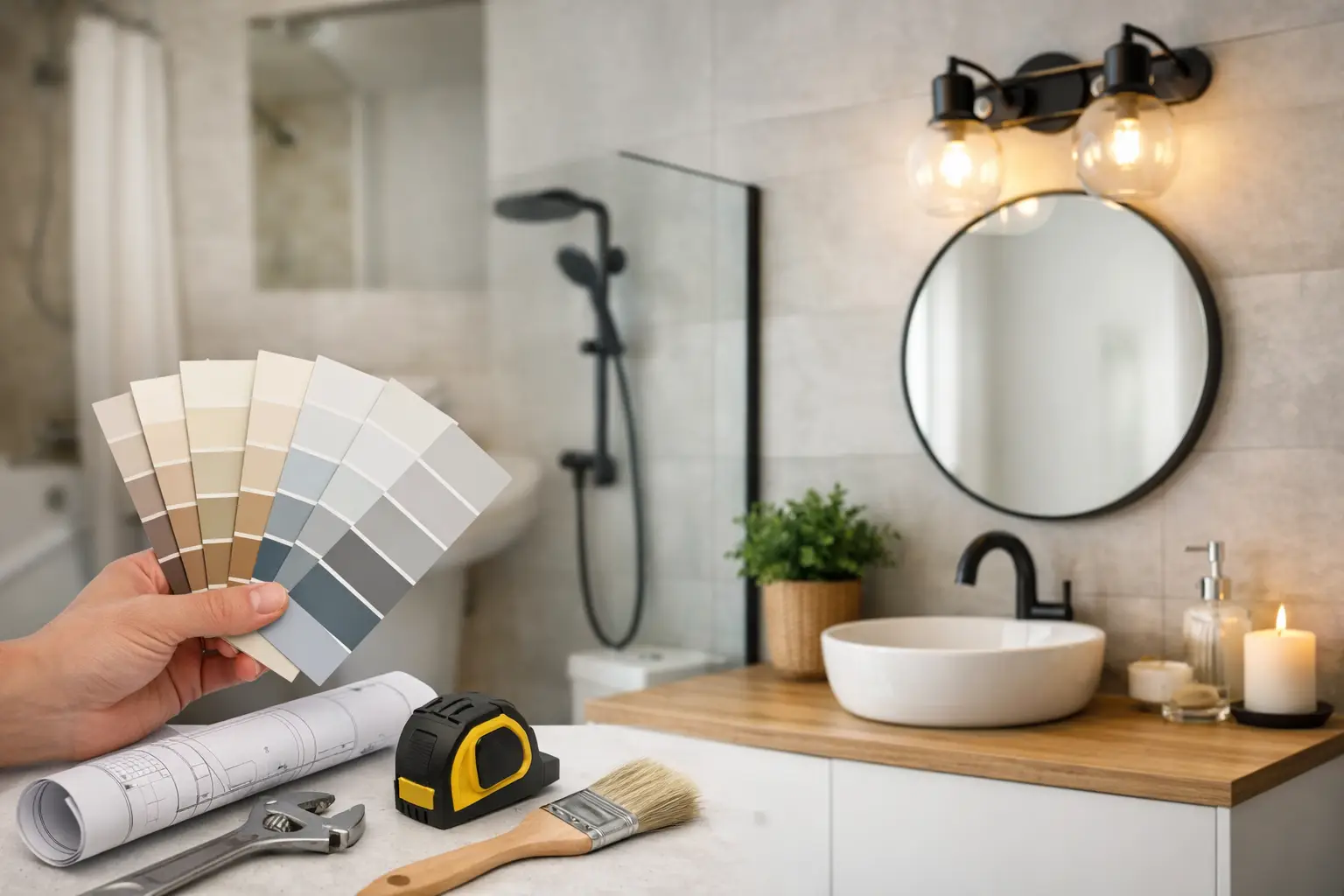
A bathroom does not have to be gutted to feel new again. The right budget friendly bathroom remodel upgrades can fix the parts you notice every day – poor lighting, worn finishes, dated tile lines, weak storage, and fixtures that make the room feel older than the rest of the home.
For homeowners in Meridian, Boise, Nampa, and nearby communities, the smartest remodels are usually the ones that improve both daily use and long-term value. That means choosing upgrades that look clean, perform well, and hold up over time. A lower budget should not mean shortcuts. It should mean better decisions.
What makes a bathroom upgrade worth the money
The best bathroom improvements do at least one of three things. They solve a daily frustration, improve durability, or give the room a cleaner and more current appearance. The strongest upgrades often do all three.
That is why surface-level changes can be surprisingly effective when they are planned well. Replacing a vanity, updating tile in the right areas, or changing out old plumbing trim can shift the whole feel of the room without the cost of moving walls or rerouting pipes. Once layout changes and major plumbing relocation enter the picture, budgets tend to rise fast.
A good remodel plan starts with knowing what to leave alone. If your bathroom layout works, your plumbing locations are sound, and there is no hidden moisture damage, you can often put more of your budget into visible upgrades that make the room feel custom instead of patched together.
Budget friendly bathroom remodel upgrades that make the biggest difference
1. Replace the vanity instead of reworking the layout
A new vanity changes the look of the room quickly because it affects storage, countertop space, sink style, and overall scale. If your current vanity is swollen from moisture, too shallow for everyday use, or simply dated, replacement is often money better spent than refinishing.
The practical move is usually to keep the vanity in the same location. That avoids extra plumbing work while still giving you a major visual improvement. A well-built vanity with durable materials and soft-close hardware will feel better every morning than a cheap unit that starts showing wear in a year.
2. Update plumbing fixtures for a cleaner finish
Old faucets, shower trim, and drains can make a bathroom feel tired even when the rest of the room is in decent shape. Swapping these out for matching finishes creates a more intentional look.
This is one of the simplest budget friendly bathroom remodel upgrades because it works at almost any project size. The key is consistency. Mixing several finishes or picking trendy options that clash with the tile and lighting can make a room feel less polished, not more. Brushed nickel, matte black, and warm metallics can all work, but the right choice depends on the rest of the space.
3. Improve lighting where it actually matters
Bathrooms often suffer from one ceiling fixture doing all the work. That leaves shadows at the mirror and makes the room feel dim even when the bulb is bright.
Better vanity lighting can change the room immediately. It improves grooming, softens the space, and makes finishes read more accurately. If the electrical setup allows it, adding dedicated mirror lighting or replacing undersized fixtures is often a high-impact move. It is not the flashiest part of a remodel, but homeowners notice it every day.
4. Retile selectively instead of everywhere
Tile is where craftsmanship shows. It is also where costs can climb if the scope is not controlled. Full-room tile replacement may not be necessary if the main issue is a dated shower surround, cracked floor tile, or worn grout lines.
In many bathrooms, selective tile work gives the best return. A new shower wall tile, a refreshed floor pattern, or a professionally installed backsplash behind the vanity can elevate the room without turning it into a full reconstruction project. The trade-off is that old and new materials need to be coordinated carefully. Done poorly, partial updates can look obvious. Done well, they look intentional.
5. Upgrade the mirror and hardware together
A builder-grade mirror with basic towel bars can pull down the whole room. Replacing the mirror and matching the hardware is a relatively small investment, but it changes the bathroom from standard to finished.
This works especially well in guest bathrooms and powder rooms, where a few precise upgrades go a long way. Framed mirrors, better-mounted accessories, and properly aligned hardware make the room feel more complete. These details matter because bathrooms are compact spaces. Every element is visible, and sloppy installation stands out fast.
6. Add practical storage without crowding the room
A bathroom can look nice and still function poorly. If counters stay cluttered because there is no place for daily-use items, the room will never feel truly finished.
Storage upgrades do not always require custom cabinetry. Open shelving in the right spot, a recessed niche, a better vanity drawer layout, or a medicine cabinet with a cleaner profile can solve real problems. The trick is not to force storage into a small room at the expense of movement and balance. Good planning matters more than adding more pieces.
7. Refresh the shower without moving plumbing
A full shower rebuild is not always needed to get a major improvement. If the shower footprint works, keeping plumbing in place and updating the visible components can save a significant amount.
That might mean a new shower valve trim, fresh tile, an updated glass enclosure, or a recessed niche that adds convenience without enlarging the space. For homes with aging fiberglass inserts, replacing that surround with properly installed tile can create a more durable and elevated result. This is one area where precision matters. Waterproofing, slope, transitions, and finish alignment are not places to cut corners.
8. Replace flooring with durability in mind
Bathroom flooring takes daily wear, cleaning products, moisture, and temperature shifts. If the floor feels dated or has visible damage, replacement can tighten up the whole space.
Porcelain tile remains one of the strongest choices because it handles moisture well and offers long-term durability. Luxury vinyl can work in some bathrooms too, especially where budget is tighter, but product quality and installation quality matter. A lower upfront cost is not a real savings if edges fail, moisture gets underneath, or the floor feels soft underfoot.
9. Paint after the hard surfaces are chosen
Paint is often treated like the first decision because it seems easy. In reality, it should usually come later. Tile, countertop, vanity finish, and metal fixtures are harder to change and should lead the design.
Once those selections are made, wall color can tie the room together. In smaller bathrooms, lighter tones often help, but not always. A powder room can handle more contrast. A primary bath may benefit from softer colors that make the room feel calm and clean. The point is coordination, not just freshness.
Where homeowners overspend on bathroom remodels
The most common budget problem is paying for changes that do not improve the way the room works. Moving a toilet a few feet, expanding into another room, or choosing highly customized materials can drive up labor and scheduling complexity fast.
Another issue is mixing premium finishes with weak installation planning. A beautiful tile selection will not save a shower with poor prep work. The same goes for vanities set out of level, lighting installed in the wrong place, or hardware mounted without care. Skilled execution protects your investment. That matters just as much as the material list.
There is also a difference between low cost and good value. Very inexpensive fixtures and finishes may look fine on day one, but they often wear out faster, show damage sooner, and create more maintenance headaches. For most homeowners, the better move is to spend selectively on the items touched and used every day.
How to plan budget friendly bathroom remodel upgrades the right way
Start with the non-negotiables. If there is water damage, ventilation trouble, or signs of failing tile or caulk around wet areas, those issues come first. Cosmetic upgrades should not go over hidden problems.
Next, decide whether your budget is best spent on appearance, function, or both. If the room works but looks dated, focus on finishes. If the room looks acceptable but lacks storage, lighting, or a usable vanity, prioritize function. The strongest remodels usually balance both, but every budget has a limit.
Then think in layers. Layout is the most expensive layer to change. Plumbing and electrical come next. Surface materials and fixtures are more flexible. Working in that order helps prevent expensive revisions midway through the project.
For many homeowners, this is where an experienced contractor brings real value. A guided plan helps you avoid spending in the wrong places, especially when permits, inspections, moisture-prone areas, and tile precision are involved. Companies like My Contractor LLC see these decisions every day, and that perspective helps homeowners make practical choices that still look high-end.
A bathroom does not need to be oversized or overdesigned to feel better. It needs smart upgrades, reliable workmanship, and choices that fit how you actually live. If you focus on what improves the room every single day, even a modest remodel can feel like money well spent.