

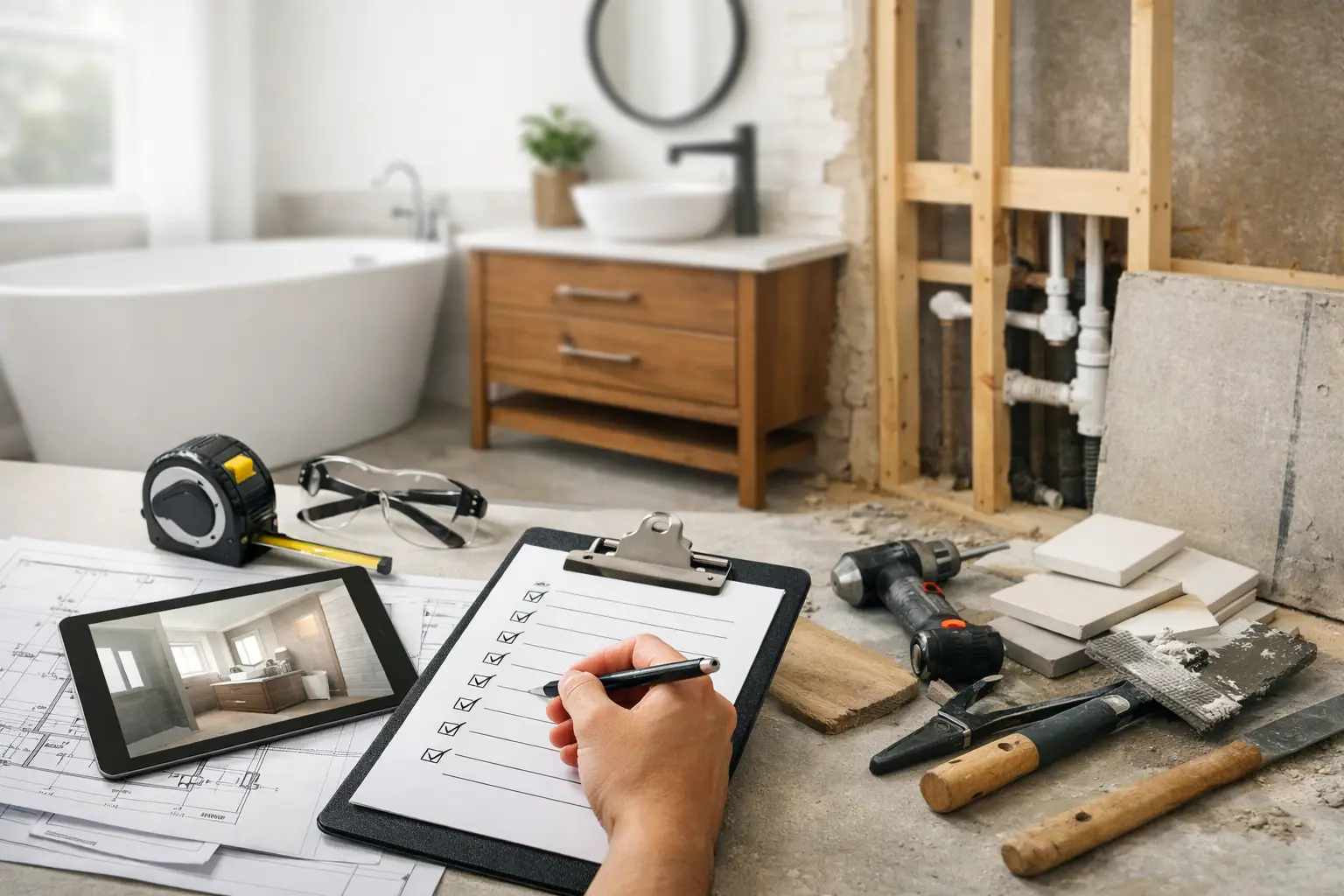
A bathroom remodel can look simple on paper until the shower valve is backordered, the tile layout changes, and an inspection pushes the schedule by three days. That is why a solid bathroom remodel project management guide matters. The difference between a stressful renovation and a well-run one usually comes down to planning, sequencing, communication, and attention to detail long before demolition starts.
For homeowners in Meridian, Boise, Nampa, and nearby communities, the stakes are real. Bathrooms are daily-use spaces, often tied to plumbing, electrical, waterproofing, ventilation, and finish work that all have to line up correctly. A beautiful result is not just about picking the right tile. It is about managing the entire project so craftsmanship is protected at every stage.
What a bathroom remodel project management guide should actually cover
A useful bathroom remodel project management guide is not a design mood board and it is not a rough price guess. It should help you control five things from the start: project scope, budget, timeline, decision-making, and compliance. If one of those is vague, the project usually slows down or gets more expensive.
Scope means defining what is changing and what is staying. Are you replacing surfaces only, or moving plumbing fixtures? Are you updating one hall bath, or creating a primary bathroom with a curbless shower, custom tile, heated floors, and upgraded lighting? The more structural or system-level changes you make, the more coordination the project requires.
Budget should cover materials, labor, permit-related costs, and a contingency for surprises behind walls or under floors. Older homes especially can reveal water damage, framing repairs, or outdated plumbing once demolition begins. Pretending those risks do not exist is not a money-saving strategy. It just pushes the stress later.
The timeline needs to be realistic. Homeowners often imagine construction as a straight line, but bathroom remodels depend on inspection windows, material lead times, and trade scheduling. Tile cannot be rushed without affecting the finish. Waterproofing has to be done correctly, not quickly. A quality contractor builds the schedule around proper sequencing, not wishful thinking.
Start with scope before you shop for finishes
One of the most common mistakes is choosing finishes before locking the functional plan. A freestanding tub may look great, but it can affect floor space, plumbing layout, and storage. A larger shower may improve comfort, but it can also require reframing, glass changes, and different ventilation needs.
Start by answering a few practical questions. Who uses the bathroom every day? Is this a resale-minded refresh or a long-term upgrade for your household? Do you need better storage, easier cleaning, more lighting, improved accessibility, or a more durable shower system? Those answers shape the remodel far better than trend photos.
Once the goals are clear, scope becomes easier to define. You can decide whether the best move is a cosmetic update, a mid-range remodel, or a full reconfiguration. Each path can add value, but they do not carry the same cost, timeline, or level of disruption.
Budgeting for quality, not just the lowest number
Bathroom remodeling has a wide cost range because the work combines visible finishes with hidden technical systems. Homeowners sometimes compare bids based on the final number alone, but that can hide major differences in labor standards, material allowances, waterproofing methods, and project oversight.
A lower bid is not always wrong. But it may reflect less prep work, thinner tile allowances, fewer included tasks, or less attention to details that matter later. For example, if wall prep, substrate correction, or cleanup is vague, the project may not truly be cheaper. It may simply be underdefined.
A well-managed budget usually separates must-haves from nice-to-haves. Spend where performance matters most: waterproofing, tile installation quality, plumbing fixtures, ventilation, and surfaces that take daily wear. Decorative extras can be adjusted if needed. Homeowners rarely regret paying for work that lasts. They often regret paying twice for work that had to be redone.
The schedule lives or dies by sequencing
If there is one part of a bathroom remodel project management guide that saves the most frustration, it is sequencing. Bathroom work involves dependencies. Demolition comes first, but after that, one trade affects the next.
Rough plumbing and electrical generally happen before insulation and wall closure. Substrates must be prepared before tile goes in. Waterproofing has to be completed and cured properly before finish tile installation continues. Vanity tops, glass, trim, mirrors, and accessories usually happen near the end. If any one step is delayed, the rest can shift.
This is where project management becomes more than keeping a calendar. It is coordinating materials so they arrive when needed, confirming field measurements before fabrication, and making sure no one is working off outdated decisions. A shower glass order placed before final tile dimensions are verified can create expensive problems. So can selecting plumbing trim that does not match the rough valve already installed.
For households with only one full bathroom, schedule planning matters even more. You may need a temporary plan for bathing, storage, and daily routines. Good communication upfront reduces disruption later.
Permits, inspections, and the work homeowners should not have to chase
Not every bathroom update requires the same level of permitting, but once plumbing, electrical, ventilation, or structural work enters the project, compliance matters. This is one area where experienced oversight protects both the homeowner and the finished result.
Permits and inspections are not paperwork for its own sake. They help verify that key systems are safe and code-compliant. That matters for your family now and for resale later. It also keeps the remodel from turning into a problem if an insurance claim or future buyer raises questions.
A licensed contractor who manages permits and inspections removes a major burden from the homeowner. It also keeps the project moving in a more organized way, because the work is planned around required approvals instead of treated like an afterthought. In a well-run remodel, compliance is part of the process from day one.
Material decisions need deadlines
Homeowners often underestimate how many selections a bathroom requires. Tile, grout color, vanity, countertop, plumbing fixtures, lighting, mirror, paint, hardware, shower glass, accessories, and flooring transitions all affect both appearance and schedule.
The key is making decisions early enough to protect momentum. Custom vanities and specialty tile can carry long lead times. Even standard items can go out of stock. If selections are delayed, trades may be ready but unable to proceed.
This does not mean every choice has to be rushed. It means each choice should have a deadline tied to the schedule. Good project management keeps design moving at a pace that supports construction. For many homeowners, that kind of guidance is what turns a remodel from overwhelming to manageable.
Communication is part of craftsmanship
Homeowners tend to think craftsmanship is only about the visible finish, but strong communication is part of the quality of the job. Clear expectations prevent confusion on who is ordering materials, when crews will be on site, how change requests are handled, and what happens if hidden issues are found.
The best projects usually have one point of accountability. That person or team keeps decisions documented, updates the homeowner on progress, and addresses problems before they grow. You should not have to chase answers, wonder who is coming tomorrow, or guess whether a change affects cost or schedule.
This is especially important in bathroom remodeling because the room is small but the number of details is high. Small spaces leave less room for layout mistakes. An inch matters in tile lines, vanity placement, door swing, niche height, and fixture alignment. Precision is not optional.
A bathroom remodel project management guide for smoother results
If you use any bathroom remodel project management guide, make sure it helps you ask better questions before work begins. What is the true scope? What decisions must be finalized before demolition? What items have long lead times? Who is managing permits, inspections, and trade coordination? How are changes approved if conditions shift once walls open up?
Those questions may not be as exciting as picking tile, but they are what protect the investment. In our experience, the smoothest remodels happen when homeowners have a clear plan and a contractor who treats project management with the same care as finish work. That is how you get a bathroom that not only looks right, but was built right.
For homeowners who want a guided process, this is where a hands-on, detail-driven contractor makes the biggest difference. A family-owned company like My Contractor LLC is not just there to swing a hammer. The real value is in managing the work from planning through final inspection with the same punctuality, precision, and pride that show up in the finished tile lines.
A bathroom remodel asks you to make a lot of decisions in a small space. The right process keeps those decisions from becoming expensive surprises and turns the project into something far more satisfying – a finished room that works better every single day.