

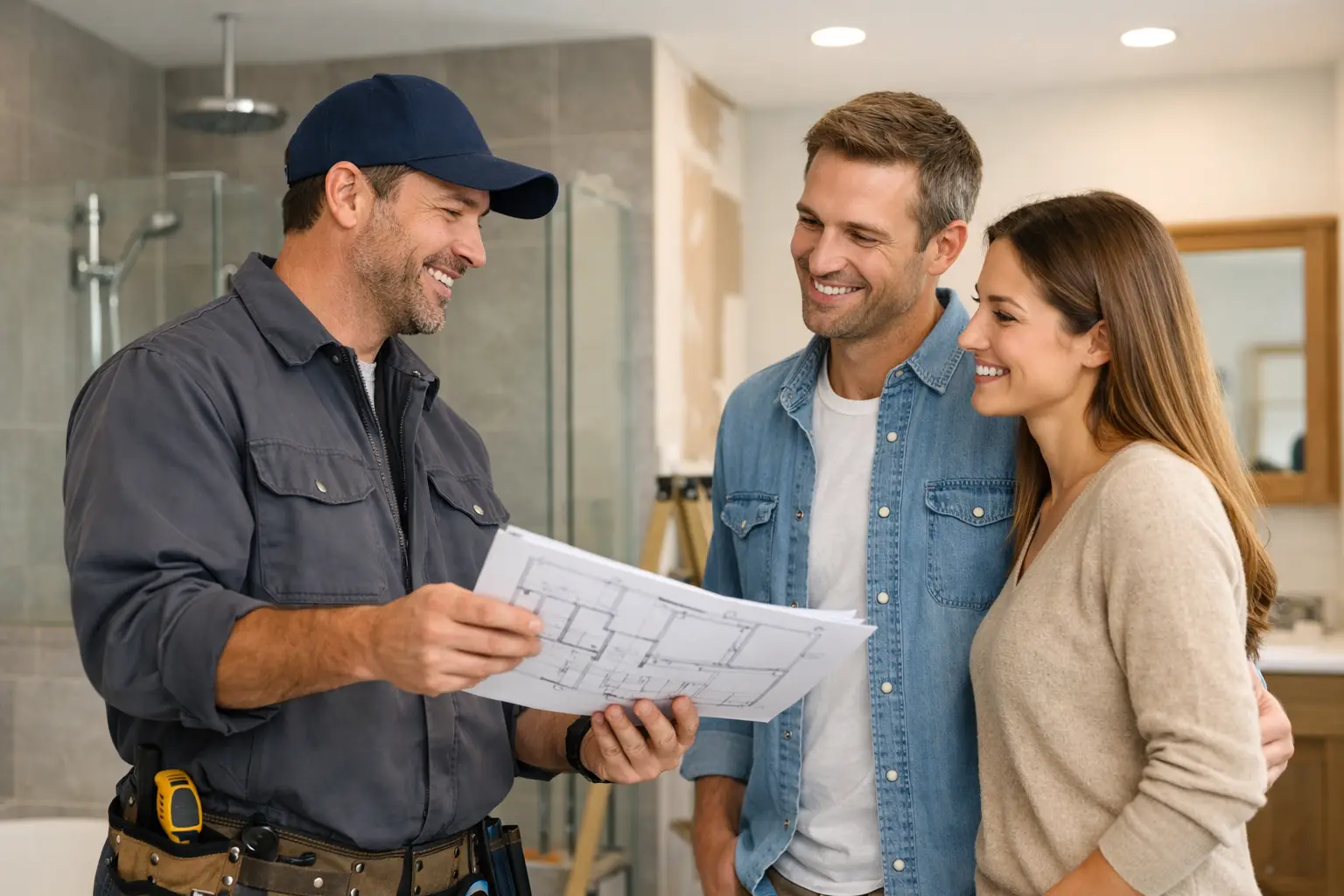
A bathroom remodel can look straightforward on paper until walls open up, plumbing needs to move, and tile details start deciding whether the room feels custom or careless. If you’re figuring out how to hire a bathroom remodeling contractor, the right choice is less about finding the cheapest bid and more about finding a professional who can deliver clean workmanship, steady communication, and a finished space that holds up for years.
Bathrooms ask a lot from a contractor. They combine plumbing, electrical, waterproofing, ventilation, tile, trim, and scheduling in a tight footprint where mistakes show fast. A slightly uneven floor can throw off a vanity install. Poor waterproofing can stay hidden until it becomes an expensive repair. That is why hiring well at the front end matters more here than in almost any other room.
How to hire a bathroom remodeling contractor without guesswork
Start by getting clear on your project before you call anyone. You do not need a full design package, but you should know the basics: are you refreshing finishes, reworking the layout, building a curbless shower, replacing a tub, or upgrading a dated hall bath into something more durable and modern? The clearer you are about scope, the easier it is to compare contractors fairly.
A contractor can only give you a reliable proposal when the project itself is defined. If one bid assumes stock fixtures and another includes custom tile work, the price gap may have nothing to do with labor quality. It may simply reflect two very different bathrooms. A few photos, rough dimensions, and a list of priorities go a long way.
Once you have your scope in mind, focus your search locally. A bathroom remodel is not a generic service. Local experience matters because permits, inspection expectations, subcontractor relationships, and even material lead times vary by market. In the Meridian, Boise, and Nampa area, homeowners are usually better served by a contractor who already understands the local process and can manage permits and inspections without turning them into your problem.
What to look for in a bathroom remodeling contractor
The first filter is simple: licensing, insurance, and relevant experience. If a contractor is remodeling bathrooms regularly, they should be able to speak confidently about waterproofing methods, tile layout planning, fixture coordination, and the sequencing of trades. General remodeling experience is helpful, but bathrooms reward precision. This is one place where detail-oriented work is not a bonus. It is the job.
Ask to see recent bathroom projects, not just a general gallery. Look closely at tile alignment, grout consistency, niche placement, trim details, and transitions where one material meets another. Homeowners often focus on big visual elements like the vanity or shower glass, but craftsmanship shows up in the small decisions. That is where a room starts to feel polished instead of pieced together.
Reviews can help, but read them for patterns rather than stars alone. If multiple clients mention punctuality, cleanliness, communication, and attention to detail, that tells you more than a single glowing comment about a finished photo. A bathroom remodel affects your daily routine, so reliability during the process matters nearly as much as the result.
If a contractor offers construction consulting or guidance during planning, that is often a good sign. It usually means they think beyond demolition and installation. They are paying attention to budgeting, product fit, sequencing, and code compliance before problems surface.
Questions to ask before you sign anything
A strong interview should feel direct, not salesy. Ask who will manage the project day to day, whether the crew is in-house or subcontracted, how the schedule is built, and what happens when hidden conditions appear behind walls or under floors. Bathrooms frequently involve surprises, especially in older homes. You want to know how those situations are handled before they become yours.
It also helps to ask how they approach permits and inspections. Some homeowners assume this is automatic, but not every contractor handles it the same way. If your project requires permits, you want a contractor who manages the process properly and builds to pass inspection the first time.
Material coordination is another area worth discussing. Some contractors prefer that homeowners choose every finish themselves. Others provide guidance on products that perform better in wet areas or fit the budget more realistically. Neither model is wrong, but you should know what level of support you are getting. The same goes for cleanup, work hours, site protection, and communication cadence.
A few practical questions can reveal a lot:
- How do you handle change orders?
- What is included in this bid, and what is excluded?
- What waterproofing system do you use in shower areas?
- What is the expected timeline, and what could extend it?
- How often will I get updates?
The goal is not to interrogate. It is to see whether the contractor answers clearly and consistently. Confidence backed by specifics is a good sign. Vague reassurance is not.
Comparing bids the right way
A low number can be expensive if the scope is thin. This is one of the biggest mistakes homeowners make when deciding how to hire a bathroom remodeling contractor. They compare totals instead of comparing what each proposal actually includes.
A useful bid should break down the work in a way that makes the project understandable. It should clarify demolition, plumbing or electrical changes, substrate prep, waterproofing, tile installation, fixture installation, finish work, and allowances if selections are not final. If one estimate is dramatically lower, ask why. Sometimes it reflects efficiency. Other times it means key parts of the job have been left vague and will reappear later as added cost.
Price also needs to be judged against finish expectations. A premium tile install, custom shower niche, heated flooring, or layout changes should not be priced like a cosmetic refresh. If you want a bathroom that feels precise and durable, the labor standard needs to match the vision.
Red flags that should slow you down
Pressure is a red flag. If someone is pushing for a quick deposit before scope is settled, that is not a good start. The same goes for verbal promises that never make it into the written agreement. Your contractor should be comfortable putting expectations on paper.
Be cautious if communication is inconsistent during the bidding stage. If calls are missed, details are fuzzy, and revisions take repeated follow-up before work even begins, those habits usually do not improve once the project is underway.
Another warning sign is overconfidence without process. A contractor should be able to explain how the bathroom will be built, protected, scheduled, and inspected. Skill matters, but systems matter too. Good remodeling is not improvised.
Why local accountability matters
A bathroom remodel is personal. The crew is working inside your home, around your schedule, often while you are still living there. That changes what good service looks like. Homeowners in this market tend to value the same things for a reason: showing up on time, protecting the home, keeping the site clean, and doing the small details right.
That is where a local, craftsmanship-led contractor stands apart. You are not just hiring labor. You are hiring judgment, project management, and accountability. A company with a strong local reputation has more to protect, and that usually shows in how the work is planned and finished. At https://Mycontractorllc.co, that done-right mindset is part of the promise, from permit handling to finish-level execution.
The best hire is rarely the easiest sell
The right contractor will not always tell you what you want to hear. They may tell you a layout change will cost more than expected, or that a certain material is not the best fit for a wet area, or that your timeline needs to account for inspections and product lead times. That honesty is valuable.
A bathroom remodel should improve daily life every single day after the dust settles. Better storage, better lighting, a shower that feels built instead of assembled, tile work that still looks sharp years later – those outcomes usually come from disciplined planning and careful execution, not rushed promises.
If you take the time to define your project, ask better questions, and compare contractors on quality as much as price, you put yourself in a far stronger position. The right bathroom contractor does more than finish the job. They make the process feel organized, the decisions feel supported, and the final result feel worth it every time you walk through the door.