

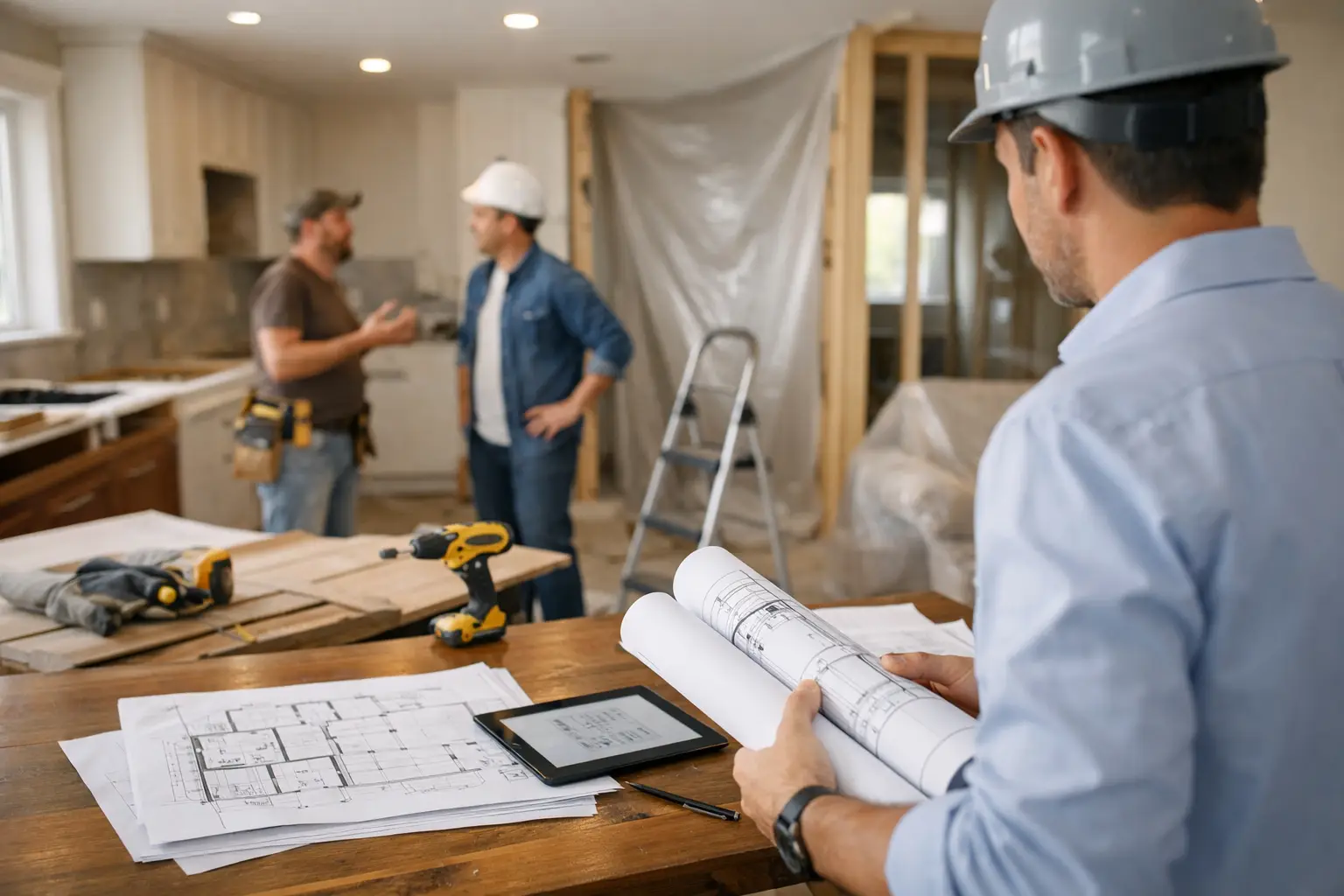
A remodel rarely goes off track because of one big mistake. More often, it slips because small decisions were never made clearly, materials arrive late, trades overlap in the wrong order, or no one is tracking permits, inspections, and finish details closely enough. That is exactly why the residential remodeling project management process matters. It is the difference between a project that feels controlled and one that keeps asking for more time, more money, and more patience.
For homeowners in Meridian, Boise, Nampa, and nearby communities, that process is not just paperwork. It is how a bathroom renovation stays on schedule, how tile and flooring installation line up with plumbing and trim work, and how the final result looks finished instead of rushed. Good project management protects craftsmanship. It also protects your home, your budget, and your peace of mind.
What the residential remodeling project management process really does
At its core, project management is the system that moves a remodel from idea to completed space. It covers planning, pricing, scheduling, permits, material coordination, trade sequencing, inspections, communication, and quality control. On a smaller project, some homeowners assume this can be handled casually. In practice, even a straightforward bathroom remodel has a lot of moving parts.
A shower upgrade may involve demolition, plumbing changes, waterproofing, tile layout, fixture installation, flooring transitions, paint, glass, and final punch work. If one step is delayed or done out of order, the next crew can be blocked. That is where experienced oversight matters. A well-managed project does not eliminate every surprise, but it does keep surprises from becoming expensive setbacks.
Step 1: Start with a clear scope, not a vague wish list
Every successful remodel begins with clarity. Before anyone talks about production dates, the scope needs to be defined in practical terms. Which rooms are included? Are fixtures staying in the same location or moving? Are you replacing finishes only, or opening walls and updating plumbing, electrical, or framing? What level of finish are you expecting?
This early stage is where homeowners often save or lose time later. If the project starts with broad ideas like “update the bathroom” or “replace the floors,” the job can feel simple until hidden decisions start piling up. A stronger approach is to identify the exact work, the priorities, and the must-haves. That gives the contractor a real foundation for budgeting and scheduling.
There is a trade-off here. Some homeowners want to move fast and figure things out as they go. That can work on cosmetic changes, but the more custom the remodel becomes, the more expensive last-minute decisions can be. Precision up front usually leads to fewer headaches later.
Step 2: Build the budget around real selections
A budget is only useful if it reflects the actual project. During this phase, allowances, fixture choices, tile selections, flooring materials, and labor requirements need to line up. If you choose premium finishes but budget for builder-grade products, the numbers will drift quickly.
This is also when experienced contractors help clients understand where money matters most. In a bathroom remodel, for example, waterproofing, tile prep, and installation quality are not the places to cut corners. A lower-cost finish that is installed with care can outperform a premium product installed poorly. Craftsmanship still decides a large part of the result.
Good budget planning also includes contingency thinking. In older homes, once demolition begins, hidden conditions can appear. Water damage, outdated wiring, or uneven subfloors are common examples. A realistic project management process accounts for that possibility instead of pretending every wall will open perfectly.
Step 3: Finalize design decisions before production starts
One of the most overlooked parts of the residential remodeling project management process is design finalization. Homeowners often think production begins with demolition. In reality, production starts much earlier, with approved layouts, product selections, and finish decisions.
That means choosing tile size and pattern, grout color, plumbing fixtures, vanity dimensions, flooring transitions, trim details, paint, and hardware before crews are waiting on answers. Delayed selections are one of the most common reasons schedules stretch out. If a specialty tile is backordered or a vanity has a longer lead time than expected, the whole sequence may need to shift.
This is where guidance matters. Most homeowners do not remodel often enough to know which choices affect schedule the most. A contractor with strong project oversight can identify those pressure points early and steer the process toward practical decisions that support both the design and the timeline.
Step 4: Handle permits, compliance, and inspections the right way
Permits are not the exciting part of a remodel, but they are part of doing the work right. If your project includes structural changes, plumbing updates, electrical work, or other code-related improvements, permit requirements may apply. The exact need depends on the scope and local jurisdiction.
When permits are required, they should be built into the schedule from the start. Approval timelines, inspection windows, and correction requests can affect production. A contractor who manages this well removes a major burden from the homeowner and helps keep the project compliant without confusion.
Skipping this step to move faster can create bigger problems later, especially when selling a home or addressing insurance questions. Proper oversight is not just about getting work done. It is about making sure it stands up to the standards it should.
Step 5: Sequence the work so trades do not interfere with each other
A remodel is a chain of dependent tasks. Demolition must happen before rough work. Rough plumbing and electrical usually happen before insulation and drywall. Tile prep must be correct before tile goes in. Flooring and trim need to be coordinated so transitions are clean and finished. Final fixtures, punch work, and cleanup come last.
This sounds straightforward until real-world conditions enter the picture. Materials arrive damaged. Inspection dates shift. A custom order takes longer than expected. A hidden framing issue changes the plan. Strong project management keeps the sequence intact as much as possible while adjusting around those variables.
This is also where homeowners feel the difference between average coordination and professional oversight. A well-run project keeps momentum. Crews arrive when they are supposed to, the site is prepared for the next phase, and details are not left for someone else to figure out later.
Step 6: Communicate consistently throughout the project
Homeowners do not need constant construction jargon. They need clear updates on what is happening, what is next, and whether any decisions need their attention. Good communication keeps expectations realistic and prevents small questions from becoming major frustrations.
The right level of communication depends on the size and complexity of the remodel. A simple flooring project may need fewer touchpoints than a full bathroom renovation with layout changes and multiple inspections. Either way, homeowners should never feel like they are guessing about progress.
Trust is built here. When the contractor is direct about timing, costs, and conditions in the home, clients can make better decisions. That matters even more when something unexpected comes up. Problems are manageable when they are addressed early and honestly.
Step 7: Protect quality during installation, not just at the end
Quality control is not a final walkthrough activity. It needs to happen during the job, while corrections are still easier to make. Tile layout should be checked before installation is complete. Floor prep should be evaluated before finish materials go down. Waterproofing should be right before it is covered. Trim and fixture placement should support the finished look, not fight against it.
This is where craftsmanship and project management overlap. A beautiful result does not happen by accident. It comes from careful execution, close supervision, and a willingness to slow down where precision matters. Homeowners investing in remodel work are not just paying for materials. They are paying for the outcome of all those decisions being handled correctly.
For a company like My Contractor LLC, this is where the standard has to stay high. Punctuality and detail matter, but they only mean something when the finished work reflects them.
Step 8: Close out with a true final walkthrough
The final phase should be more than a quick look around the room. A proper walkthrough confirms that the agreed work is complete, fixtures operate correctly, finishes are clean, and any remaining punch items are documented clearly. It is also the right time to review care instructions for tile, flooring, grout, caulk, and other installed materials.
A good closeout leaves the homeowner confident in what was completed and what to expect next. If touch-ups are needed, they should be identified directly, not left vague. The goal is not simply to finish the job. It is to finish it in a way that feels complete.
Why homeowners benefit from a managed process
Many homeowners can spot a good-looking remodel, but fewer see the work that made that outcome possible. The process behind the project determines whether the remodel feels organized, respectful of your home, and worth the investment. It also affects whether the finished space performs well months and years later.
That is especially true for bathrooms, tile work, and flooring, where precision matters and mistakes can be costly to correct. A well-managed remodel keeps the focus on durable results, clean execution, and clear accountability from start to finish.
If you are planning a remodel, the best first step is not choosing paint or scrolling for inspiration. It is choosing a contractor with a residential remodeling project management process strong enough to carry the job all the way through. Good materials help, and good design matters, but steady management is what turns plans into finished work you can trust every day.