

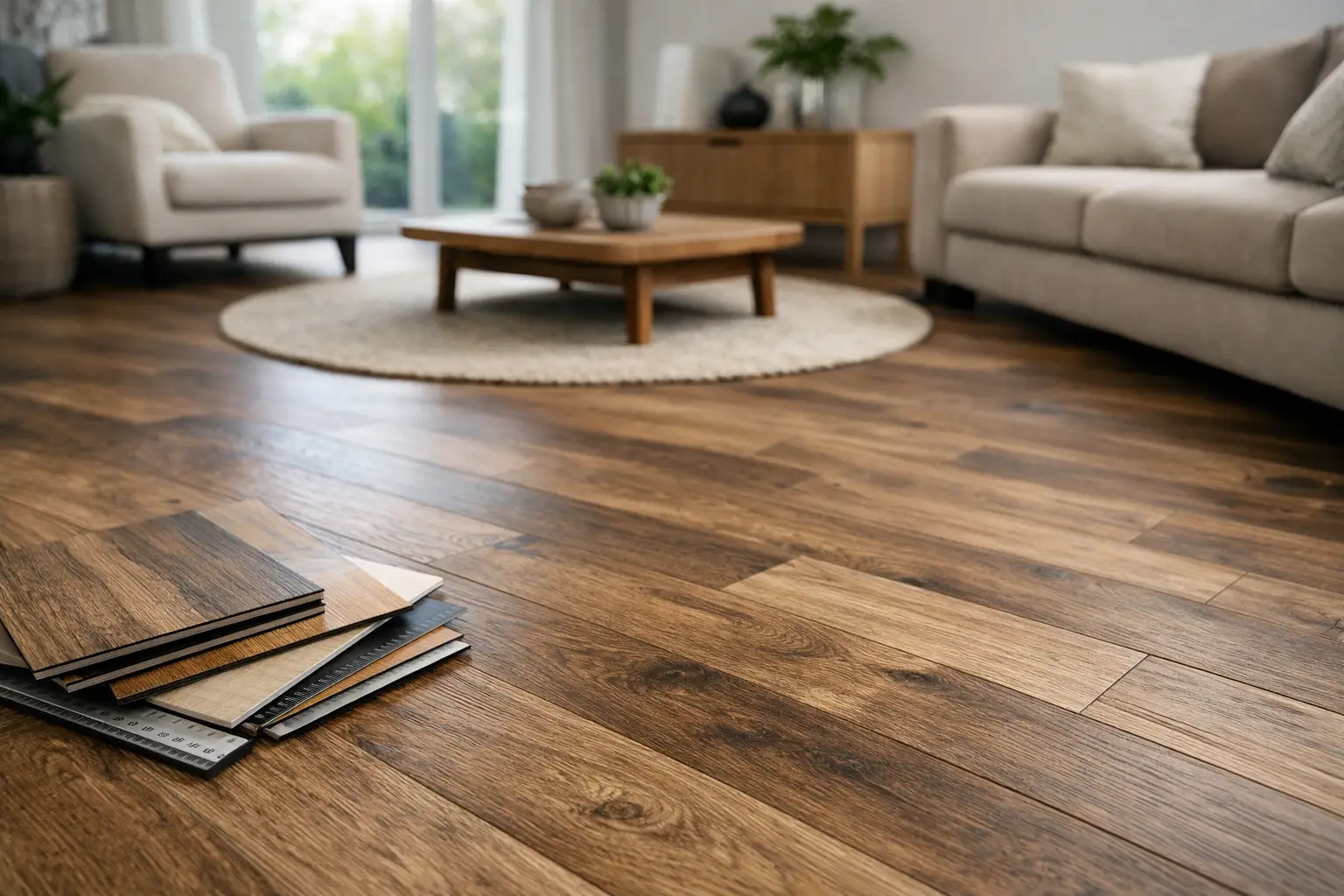
A floor can look great in a showroom and still be the wrong choice for a busy Idaho home. That is usually where luxury vinyl plank earns its reputation or loses it.
Homeowners ask about it for good reason. They want something that handles wet boots, pets, kids, daily traffic, and the occasional dropped pan without turning a remodel into a maintenance project. They also want a floor that feels current, adds value, and does not create avoidable problems a year after installation. That is the right lens for a real luxury vinyl plank flooring review – not just how it looks on day one, but how it performs when life gets on top of it.
Luxury vinyl plank flooring review: what it gets right
Luxury vinyl plank, often called LVP, is one of the most practical flooring products on the market. It is designed to mimic hardwood, but the reason people choose it is rarely just appearance. It is the combination of water resistance, durability, and design flexibility that makes it attractive for kitchens, bathrooms, entryways, laundry rooms, and open-concept living spaces.
The strongest selling point is moisture performance. Unlike hardwood, LVP does not react to water the same way, which makes it a smart fit for homes where spills, snow, and humidity are part of normal life. That does not mean every product is fully waterproof in every condition, but quality LVP handles everyday moisture far better than many traditional options.
It also holds up well to foot traffic. In homes with kids, dogs, or frequent guests, the wear layer matters more than the marketing language on the box. A good product with a strong wear layer can resist scratching and surface wear surprisingly well. For many homeowners, that means less worry and fewer compromises.
There is also the comfort factor. Tile is durable, but it can feel hard and cold underfoot. Hardwood is beautiful, but it is more demanding. LVP lands in the middle. It is generally warmer and a bit more forgiving to stand on, especially when paired with a quality underlayment or built-in pad.
Where luxury vinyl plank falls short
A trustworthy review has to say this clearly: luxury vinyl plank is not a perfect substitute for hardwood. It is a different product with different strengths.
If your top priority is long-term authenticity, natural variation, and the ability to refinish the floor years later, real wood still has an edge. LVP can look excellent, especially from a standing view, but close inspection may reveal repeating patterns or a printed texture that does not fully match the visual grain.
Subfloor conditions also matter more than many homeowners realize. LVP is often sold as forgiving, but a poor subfloor can create movement, soft spots, lippage, and premature wear. If the floor underneath is not flat and properly prepared, even an expensive product can underperform. A lot of disappointment people blame on the material is really an installation problem.
Another trade-off is sound. Some LVP floors are quieter than others, but cheaper planks can sound hollow underfoot. In larger rooms or upstairs spaces, that can be noticeable. Better underlayment and tighter installation help, but this is one area where product quality makes a real difference.
How it compares to hardwood, laminate, and tile
If you are deciding between flooring types, context matters.
Compared to hardwood, LVP is lower maintenance and more moisture-friendly. It is usually more budget-conscious as well, both in material and installation. Hardwood still wins on prestige, resale appeal in certain markets, and the unmistakable feel of a natural material. If you are remodeling a formal living area and want a classic high-end finish, hardwood may still be the right call.
Compared to laminate, luxury vinyl plank usually performs better around water. That is a major reason it is often chosen for bathrooms, mudrooms, and kitchens. Laminate has improved over the years, but if moisture is part of the equation, LVP is often the safer bet.
Compared to tile, LVP is typically faster to install, softer underfoot, and less expensive. Tile remains one of the best options for wet environments when installed correctly, especially in bathrooms and showers, but for whole-home flooring or spaces where comfort matters, many families prefer LVP.
What to look for before you buy
Not all LVP is built the same, and this is where a lot of reviews get too vague. The right product depends on how and where it will be used.
Wear layer is a big one. In general, a thicker wear layer offers better protection against surface damage. For a low-traffic guest room, that may not matter much. For an active household with pets and heavy daily use, it matters a lot.
Core construction matters too. Rigid core products, including SPC and WPC options, can provide better dent resistance and stability. Some feel firmer and more substantial, while others offer more softness underfoot. There is no one-size-fits-all answer. It depends on whether your priority is toughness, comfort, or both.
Plank size and pattern variation affect the finished look more than people expect. Wider planks can feel more modern, while narrower planks may suit certain homes better. Better products usually have more visual variation, which keeps the floor from looking repetitive.
Then there is the finish. A realistic texture, lower sheen, and a believable wood pattern can make a major difference in whether the floor looks builder-basic or thoughtfully selected.
Installation makes or breaks the result
This is the part homeowners should take seriously. A strong product installed poorly will not perform like it should.
Proper floor prep is essential. The subfloor needs to be clean, flat, dry, and suitable for the product. Transitions need to be planned correctly. Expansion gaps need to be respected. Door clearances, baseboards, stairs, and adjacent flooring heights all have to be handled with precision.
Bathrooms and kitchens need extra attention. Even with water-resistant flooring, edges, penetrations, and transitions can become weak points if they are rushed. The finished floor should not just look good in photos. It should feel solid, run straight, and hold up over time.
That is why many property owners choose professional installation instead of treating LVP like a simple weekend project. The click system can make it look easy, but layout, prep, and finish details separate an average floor from one that feels professionally built.
Is it good for Idaho homes?
For many homes in Meridian, Boise, Nampa, and nearby communities, yes. Luxury vinyl plank works well for households that deal with seasonal moisture, temperature swings, and active family life.
Entryways and main living areas are where it often shines. It can handle tracked-in water better than hardwood and usually asks less of the homeowner in terms of upkeep. It is also a strong option for remodels where clients want a clean, updated wood-look floor without the cost or maintenance profile of natural wood.
That said, not every room needs the same solution. A bathroom may benefit from tile in the shower area and LVP in the surrounding floor space. A high-end custom home may call for hardwood in key living spaces and LVP in secondary areas. Good remodeling decisions are rarely about one material winning every room. They are about choosing the right material for the way each space is used.
Our verdict on LVP
If the goal is a floor that looks good, handles real-life wear, resists moisture, and delivers strong value, luxury vinyl plank is one of the best all-around choices available right now. Its biggest strengths are practicality and versatility. Its biggest weaknesses show up when homeowners expect it to be something it is not, or when installation quality is treated like an afterthought.
For most busy households, a well-chosen LVP product installed with care is a smart investment. It can give a home a cleaner, more current look while reducing maintenance concerns that come with other flooring materials. The key is selecting the right grade for the space and making sure the installation is done with the same attention to detail as the rest of the remodel.
If you are weighing flooring options and want guidance based on how your home is actually used, that conversation matters as much as the product itself. At My Contractor LLC, we see the best results when flooring is chosen with the full project in mind – layout, moisture exposure, subfloor condition, traffic, and long-term durability. The right floor should not just photograph well. It should still feel like the right decision after years of daily use.
A good remodel is built on choices that keep working long after the dust is gone.